
Hidden software vulnerabilities put roofing data at risk
By Jesse Sanchez.
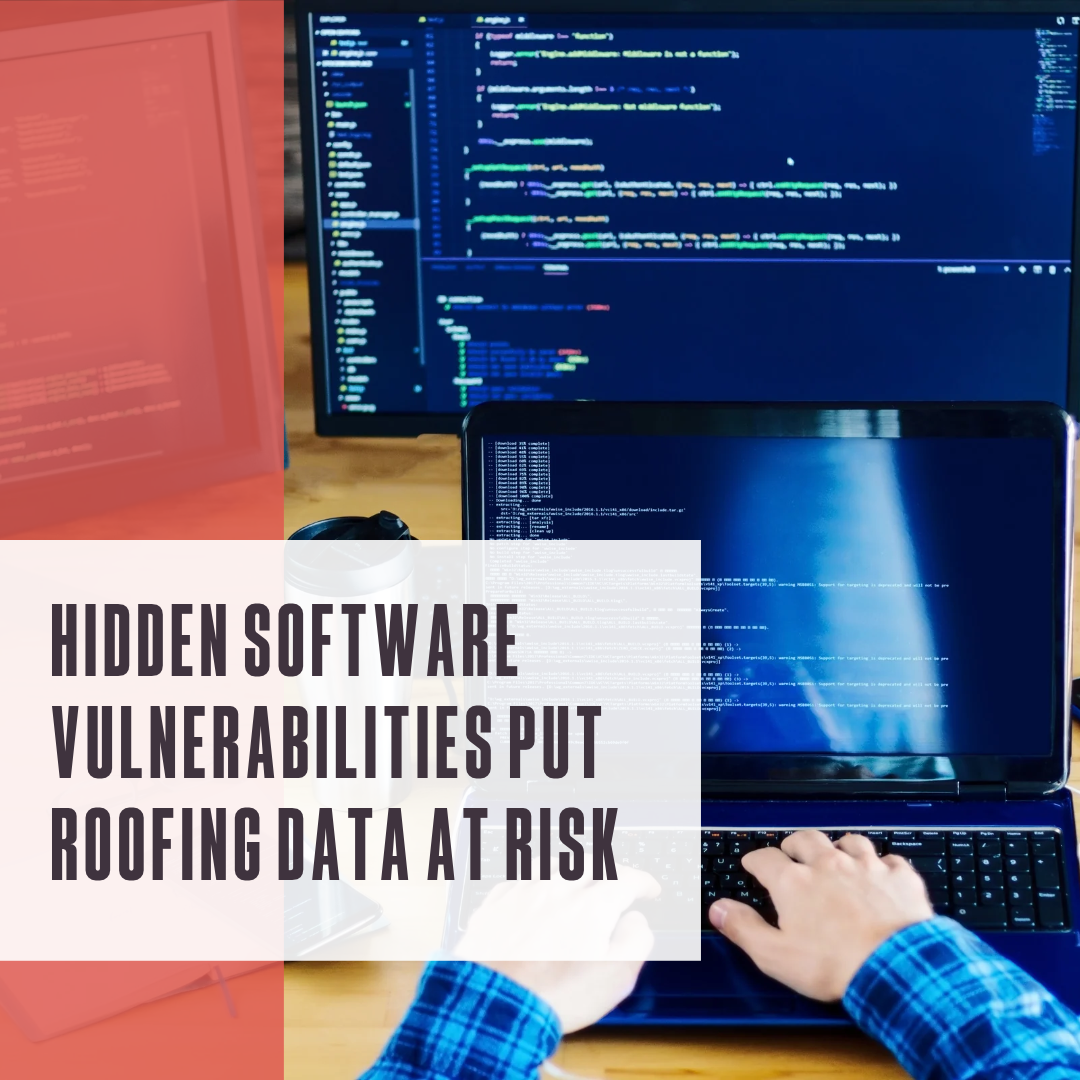
Recent security flaws highlight why roofing contractors should evaluate their software providers' approach to updates, cybersecurity and protecting sensitive business information.
Roofing contractors rely on software to manage everything from customer relationships to estimates and invoices, but vulnerabilities in the technology supporting those systems can create significant security risks. In a recent article, Terial examined how two critical security flaws in PHP, a programming language widely used in websites and web applications, underscore the importance of proactive software maintenance and vendor accountability.
On October 21, 2026, PHP released emergency fixes for two vulnerabilities, known as PHP2Shell (CVE-2026-109618 and CVE-2026-109619). According to Matt Billard, Terial's co-founder and chief technology officer, the flaws could allow attackers to take control of unpatched servers without requiring a password. The Cybersecurity and Infrastructure Security Agency (CISA) subsequently added both vulnerabilities to its list of actively exploited security threats.
For roofing contractors, these vulnerabilities raise concerns about the sensitive information stored within business management platforms. Customer records, pricing, bids, contracts, invoices and service histories could be exposed if software providers fail to address security weaknesses. Matt noted that at least two widely used commercial roofing platforms operate on PHP, making timely updates and effective security practices particularly important.
However, using PHP does not automatically make software insecure. The greater risk comes from outdated programming language versions and delayed security updates. Contractors should understand that updating an application alone may not resolve an underlying vulnerability. Software providers must also update PHP itself and restart affected servers to implement the necessary fixes.
To evaluate potential exposure, contractors can check whether ".php" appears in their software's browser address, although its absence does not rule out PHP usage. Matt also recommends asking vendors about their PHP versions, patching procedures, security investigations and independent testing practices.
Ultimately, protecting business information requires more than relying on a software provider's general security assurances. Contractors should expect clear communication, documented updates and timely responses to emerging threats.
Learn more about Terial in their Coffee Shop Directory or visit www.terial.com.
About the author

Jesse is a writer for The Coffee Shops. When he is not writing and learning about the roofing industry, he can be found powerlifting, playing saxophone or reading a good book.
Recommended For You

Making the most out of metal!
Read More ...
Owens Corning® relaunches Woodcrest® & Woodmoor® shingles in western and mountain regions of U.S.
Read More ...
Drone technology strengthens detailed roof surveys
Read More ...
UP TO THE MINUTE


Comments
Leave a Reply
Have an account? Login to leave a comment!
Sign In