
Breathing easy while building resilience
By Heidi J. Ellsworth.
A closer look how fire-resistant ventilation helps protect homes from wildfires.
As wildfire seasons grow longer and more intense across North America, homeowners, builders and roofing professionals are taking a closer look at every component of the building envelope. Roofing materials, underlayments and exterior wall assemblies often receive the most attention, but one critical area is frequently overlooked: ventilation.
Proper attic ventilation is essential for maintaining a healthy roof system, yet in wildfire-prone regions it must do more than manage heat and moisture. Ventilation products also need to contribute to the overall fire resistance of the roofing assembly. That balance between airflow and protection is increasingly important as contractors seek solutions that improve building performance without creating vulnerabilities.
According to Roof Saver®, effective attic ventilation begins with a balanced intake and exhaust system that continuously removes hot, moisture-laden air from the attic while drawing in fresh air through soffit vents. This natural airflow helps reduce cooling costs, discourages mold growth and protects the structural integrity of the roof system. The company notes that excessive heat and trapped moisture can shorten roof life, contribute to wood rot and reduce insulation performance.
While ventilation has traditionally been discussed primarily from an energy efficiency standpoint, today's roofing professionals must also consider wildfire resilience. During a wildfire event, wind-driven embers can travel miles ahead of the main fire front. Any opening in the building envelope, including ventilation systems, must be designed to perform as part of a fire-resistant roof assembly.
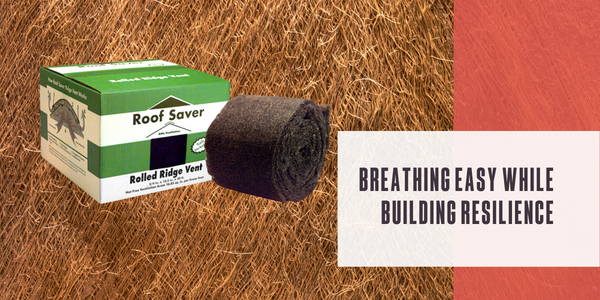
This is where certified ventilation products become particularly important. Roof Saver rolled ridge vent carries a UL Class A fire rating, the highest classification available for resistance to external fire exposure. The product also meets nationally recognized building code requirements and has undergone extensive independent testing for weather resistance, including wind-driven rain and snow conditions.
For contractors, the significance of a Class A rating extends beyond code compliance. Fire ratings evaluate how roofing components work together as a complete assembly. Every part of the roof system, including ventilation products, contributes to the performance of the tested assembly. Choosing components that have been evaluated for fire resistance helps ensure the roof performs as intended when exposed to extreme conditions.
Roof Saver's approach to ventilation demonstrates how performance and protection can coexist. Manufactured from natural coconut husk fibers, the ridge vent is designed to provide continuous airflow while maintaining durability and long-term reliability. The dense bristled structure allows for straightforward installation beneath ridge shingles while delivering consistent exhaust ventilation across the roofline. The product's design supports airflow without sacrificing the fire performance required in many regions.
The role of ventilation becomes even more important when considering overall roof longevity. Research cited by Roof Saver highlights how attic temperatures can climb well above outdoor temperatures during the summer months. Excessive heat increases the strain on HVAC systems and can accelerate aging of roofing materials. During colder seasons, moisture generated within the home can migrate into the attic, creating conditions that lead to condensation, mold growth and structural deterioration if not properly ventilated. Continuous ridge ventilation helps address both challenges by allowing warm, moist air to escape naturally.
As communities continue adapting to increasing wildfire threats, contractors are finding that resilience is built through systems rather than individual products. Fire-rated roofing assemblies, ember-resistant design strategies and properly engineered ventilation all play a role in protecting homes and businesses. Homeowners are also becoming more aware that resilience involves more than selecting a fire-resistant roofing material. The complete roof system, including ventilation, contributes to long-term performance and protection.
Roof Saver demonstrates that contractors do not have to choose between sustainability, ventilation performance and fire protection. By combining natural materials, balanced airflow and a UL Class A fire rating, the company offers a solution that supports healthier buildings while helping meet the demands of modern wildfire-resistant construction. As wildfire concerns continue to influence building practices, fire-resistant ventilation is becoming an increasingly important part of creating safer, more durable roofing systems.
For roofing professionals looking to help customers protect their homes from both everyday attic moisture issues and the growing threat of wildfires, choosing fire-rated ventilation products is a smart place to start. Learn more about Roof Saver's fire-rated, sustainable products.
Recommended For You

Convoy Supply Arrives in Pasco and Helena in the Pacific Northwest
Read More ...
How to Basically Eliminate Deck Penetrations
Read More ...
Breathing easy while building resilience
Read More ...
UP TO THE MINUTE

Comments
Leave a Reply
Have an account? Login to leave a comment!
Sign In